
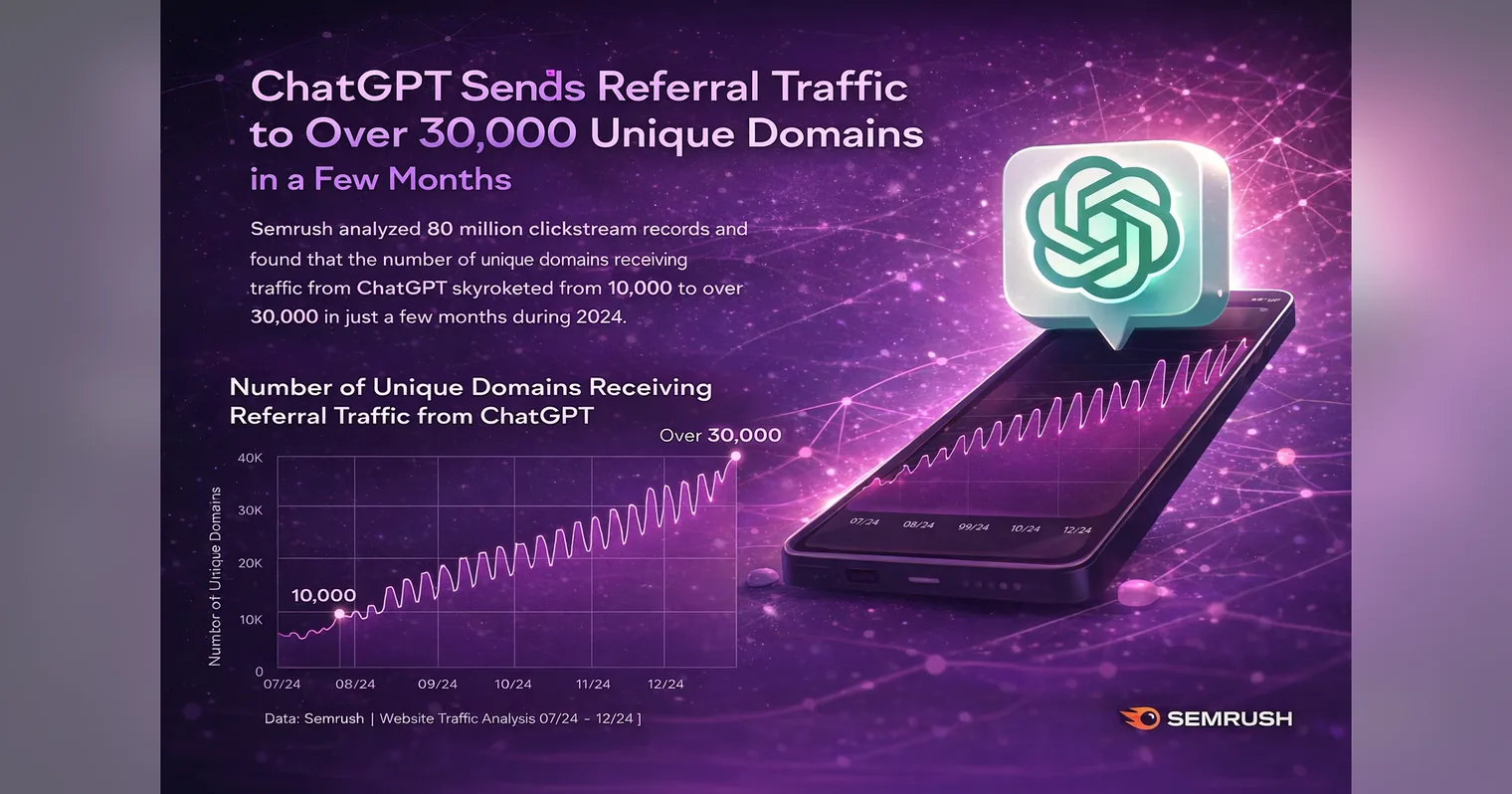
SaaS content marketing is creating and sharing valuable content to attract, educate, and convert software customers. It's how SaaS companies use blogs, guides, videos, and webinars to solve problems and build trust with potential buyers.
Unlike traditional marketing, SaaS content marketing focuses on education first and selling second. Marketing goal in era of AI is to answer questions your customers ask before they're ready to buy.
This guide walks you through everything you need to know about SaaS content marketing. You'll learn why it works, how to build a strategy, and what tactics deliver results.
Key Takeaways
In 2026, SaaS marketing is driven by AI. It is not just a tool, but a system that works for you. Teams use AI agents to personalize outreach and improve campaigns in real time. Content is created to answer customer questions before they even click.
With strong first-party data, companies deliver more relevant experiences. This leads to higher engagement and better results. At the same time, combining human storytelling with AI helps reduce customer acquisition costs and keeps content authentic.
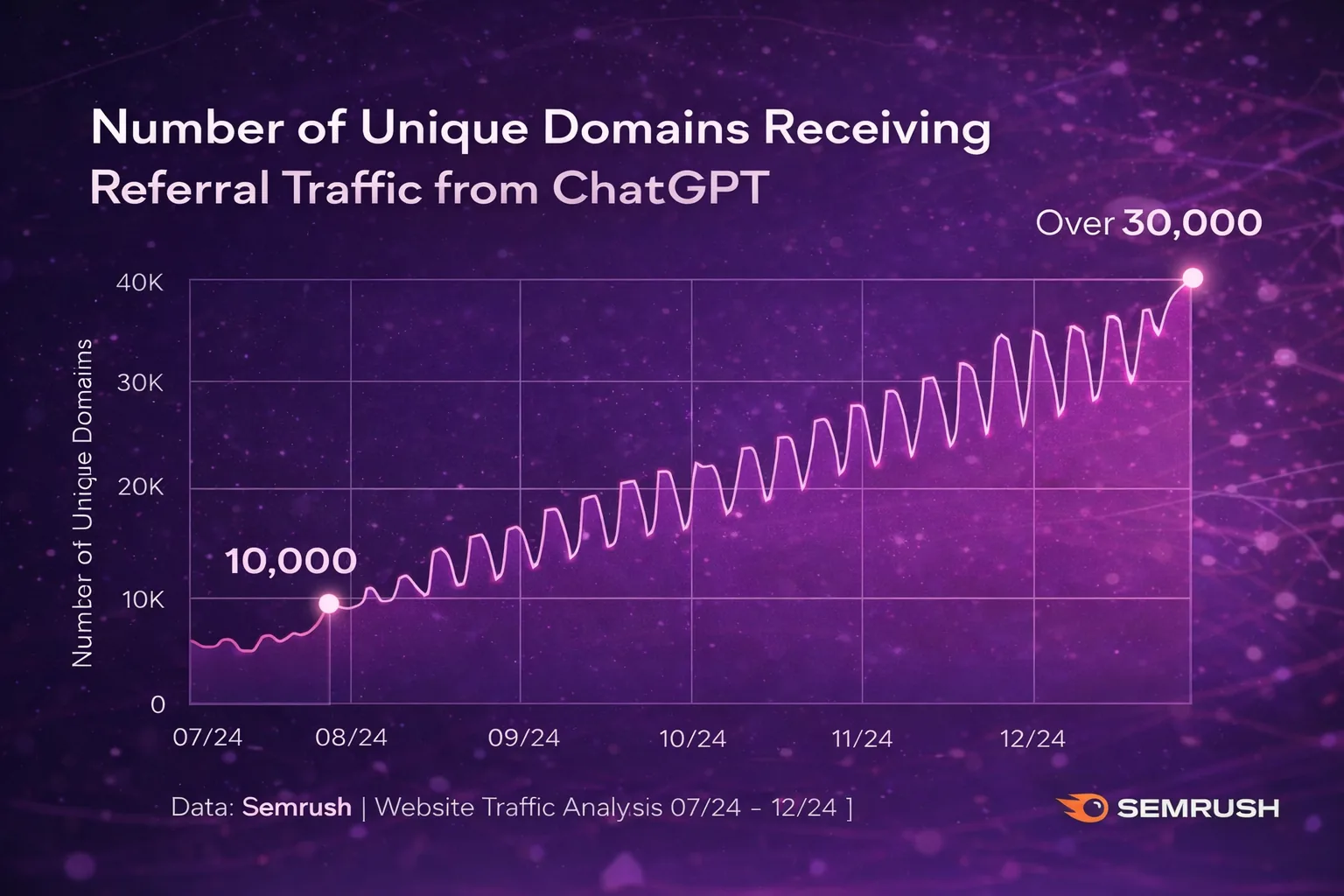
The companies that win focus on how buyers actually discover products today. This often happens through AI, not just search.
Video Storytelling
- Use hybrid 2D/3D animations to mirror product speed and dynamism, as in Bolt's explainer, boosting creative output by 600%.
- Sync voice-over with UI walkthroughs for seamless flow, like Notion's remote work solutions video, capturing universal user needs instantly.
- Embrace brand quirks with humor, such as Duolingo's pushy reminders turned playful, enhancing recognition and engagement.
AI-Driven Personalization
- AI video agents enable hyper-personalized demos at scale, lifting conversion rates up to 80% via tailored onboarding and funnels.
- Balance automation with human touch, as in LiveChat's rich messages demo, reducing support friction while scaling conversations.
- Lifestyle-focused narratives make abstract benefits tangible, like PointCard's "unboxing" ads achieving 1.2% CTR through travel rewards visuals.
Top AI Content Generation Tools
Top AI content generation tools for SaaS in 2026 streamline SEO-optimized blogs, landing pages, and personalized copy while maintaining brand voice and scaling workflows. These platforms dominate due to AI-first features like SERP analysis, long-form drafting, and GEO optimization tailored for B2B SaaS growth. For a deeper dive into implementing these tools effectively, check out our comprehensive guide on AI content creation for SaaS.
| Tool | Best For | Key Features | Pricing (2026) |
|---|---|---|---|
| Jasper AI | Long-form blogs & brand voice | SEO outlines, team collaboration, 50+ templates | $49–$69/seat/mo |
| Copy.ai | Short-form marketing copy | Ad variants, social posts, tone matching | $49/mo starter |
| Writesonic | SEO-ready landing pages | SERP briefs, ChatSonic research, plagiarism check | $16–$99/mo |
| Surfer SEO | Content optimization | Real-time scoring, keyword clusters, AI editor | $89–$219/mo |
| Content at Scale | Scalable blog production | 100% original long-form, fact-checking | $250+/mo enterprise |
| Rytr | Quick social & product descriptions | 40+ use cases, cheap for startups | $9–$29/mo |
| Hypotenuse AI | Product listings & variants | Image+text gen, e-commerce focus | $29–$99/mo |
| Scalenut | Full-funnel workflows | AI search, topic clusters, approvals | $20–$72/mo |
| ChatGPT-4o (Enterprise) | Brainstorming & multimodal | Custom GPTs, citations, integrations | $20/user/mo + |
| Claude (Anthropic) | High-quality drafts | Ethical AI, large context, dev tools | $20–$100/mo teams |
Why SaaS Companies Need Content Marketing
SaaS buyers are different from other customers. They research extensively before contacting a sales team.
Most SaaS buyers spend 57% of their purchase journey researching independently. They read articles, watch demos, and compare options before talking to anyone.
Content marketing meets them during this research phase. It builds credibility and positions your company as a trusted expert.
Content also costs less than paid ads over time. A blog post works for months or years. A paid ad stops working the moment you stop paying.
The Core Elements of SaaS Content Marketing
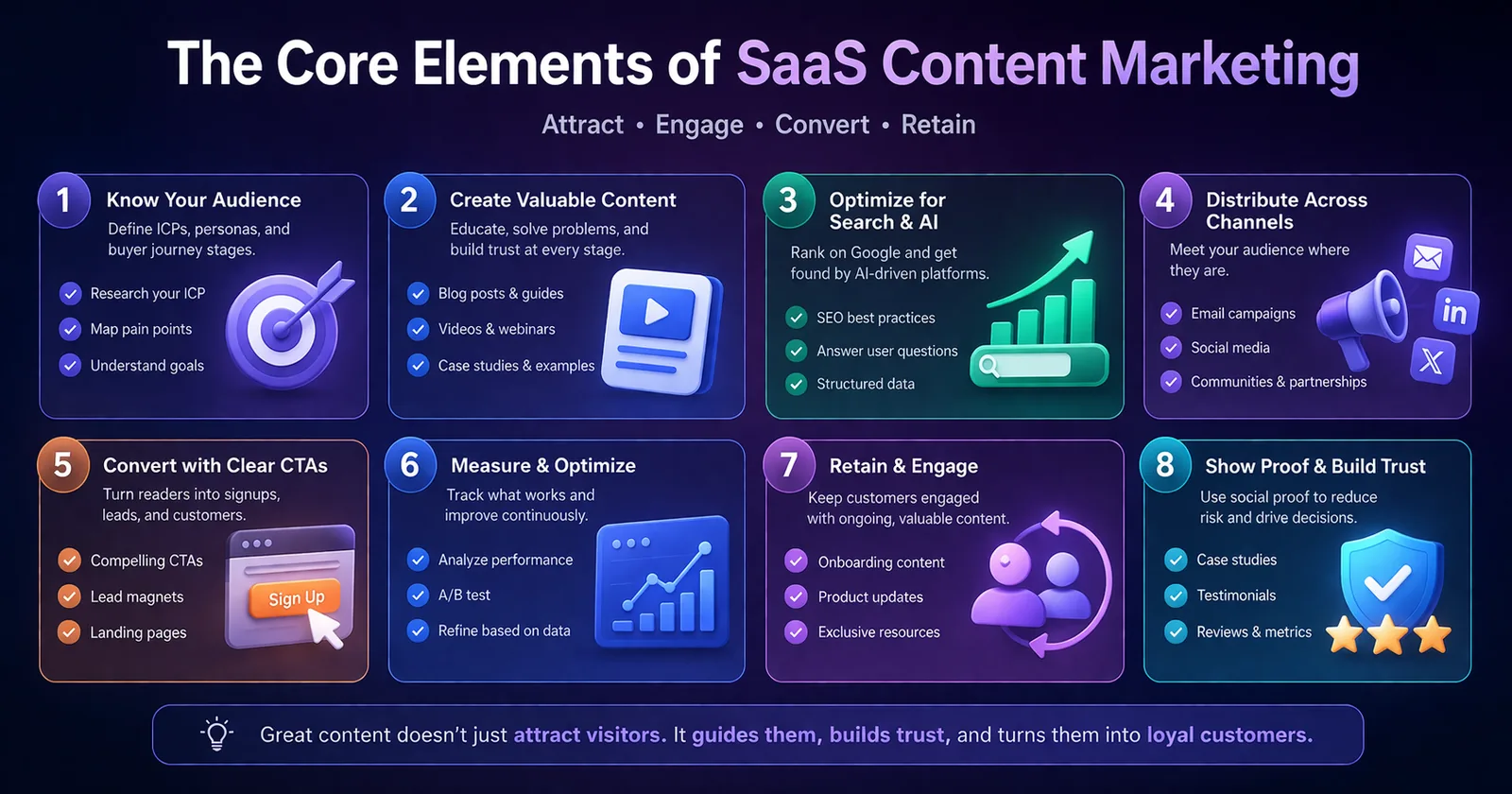
Effective SaaS content marketing has four essential pieces working together.
1. Educational Content
Educational content teaches your audience how to solve problems. This includes blog posts, guides, tutorials, and how-to videos.
Example: A project management SaaS might create a guide titled "How to Build a Product Roadmap Your Team Actually Uses." This content attracts people searching for roadmap help.
Educational content builds trust because it helps readers without asking for anything in return.
2. Comparison Content
Comparison content helps potential customers evaluate options. This includes comparison guides and feature breakdowns.
When someone searches "Asana vs Monday.com," they're ready to make a decision. Comparison content captures these high-intent searchers.
This content works best when you're honest about competitor strengths. Credibility matters more than winning every comparison.
3. Case Studies and Social Proof
Case studies show real results from real customers. They answer the question: "Will this work for someone like me?"
Strong case studies include specific metrics. Instead of "increased productivity," say "reduced project completion time by 23%."
Customer testimonials and success stories serve the same purpose. They prove your software delivers results.
4. Thought Leadership Content
Thought leadership content positions your company as an industry expert. This includes research reports, trend analyses, and expert commentary.
This content builds brand authority and attracts media attention. It works best when backed by original research or unique insights.
Understanding Your SaaS Content Marketing Audience
Different people in the buying process need different content.
Awareness Stage: The Problem Discoverers
These people don't know your product exists. They're searching for information about problems they face.
Content strategy: Create educational content that answers their questions. Target broad topics related to their challenges.
Example: A time-tracking SaaS might create content about "Why Accurate Time Tracking Matters for Project Profitability."
Consideration Stage: The Researcher
These people know they have a problem. Now they're researching solutions.
Content strategy: Create comparison guides and feature-focused content. Show how your solution compares to alternatives.
Example: "5 Features to Look for in Time-Tracking Software" or "Harvest vs Toggl vs Clockify."
Decision Stage: The Buyer
These people are ready to buy. They need final proof that your solution is right.
Content strategy: Create case studies, pricing pages, and demo videos. Remove obstacles to purchase.
Example: "How TechStartup Co Saved 40 Hours Monthly with Our Time Tracker."
How to Create Your SaaS Content Marketing Strategy
A solid strategy prevents wasted effort. It keeps your team aligned and focused on results.
Step 1: Define Your Target Customer
You can't create content for everyone. Start by defining your ideal customer profile.
Ask these questions:
- What industry do they work in?
- What's their job title?
- What problems keep them awake at night?
- Where do they search for solutions?
- How much budget do they have?
The more specific you are, the better your content will perform.
Step 2: Research Your Audience's Questions
Your content should answer questions your customers actually ask. Don't guess what they want to know.
Find real questions through:
- Google search suggestions (type your topic and see what appears)
- Google People Also Ask section
- Customer support conversations
- Sales call recordings and notes
- Reddit and industry forums
- Competitor content and comments
These sources reveal what your audience truly cares about.
Step 3: Create a Content Pillar Strategy
Organize content around main topics (pillars) and subtopics (clusters). This helps with both user experience and search rankings.
Example pillar structure for project management SaaS:
- Pillar: Project Planning Basics
- How to create a project plan
- What makes a good project timeline
- Common project planning mistakes
- Pillar: Team Collaboration
- How to improve team communication
- Remote team collaboration best practices
- Tools that improve collaboration
This structure helps readers navigate your content and helps search engines understand your expertise.
Step 4: Plan Your Content Calendar
Consistency beats perfection in content marketing. Publishing one great post monthly beats sporadic publishing.
Your calendar should include:
- Publication dates
- Content topics and keywords
- Content type (blog, video, guide, etc.)
- Owner and deadline
- Promotion plan
Most successful SaaS companies publish 2-4 pieces of content weekly.
Content Types That Work for SaaS Marketing
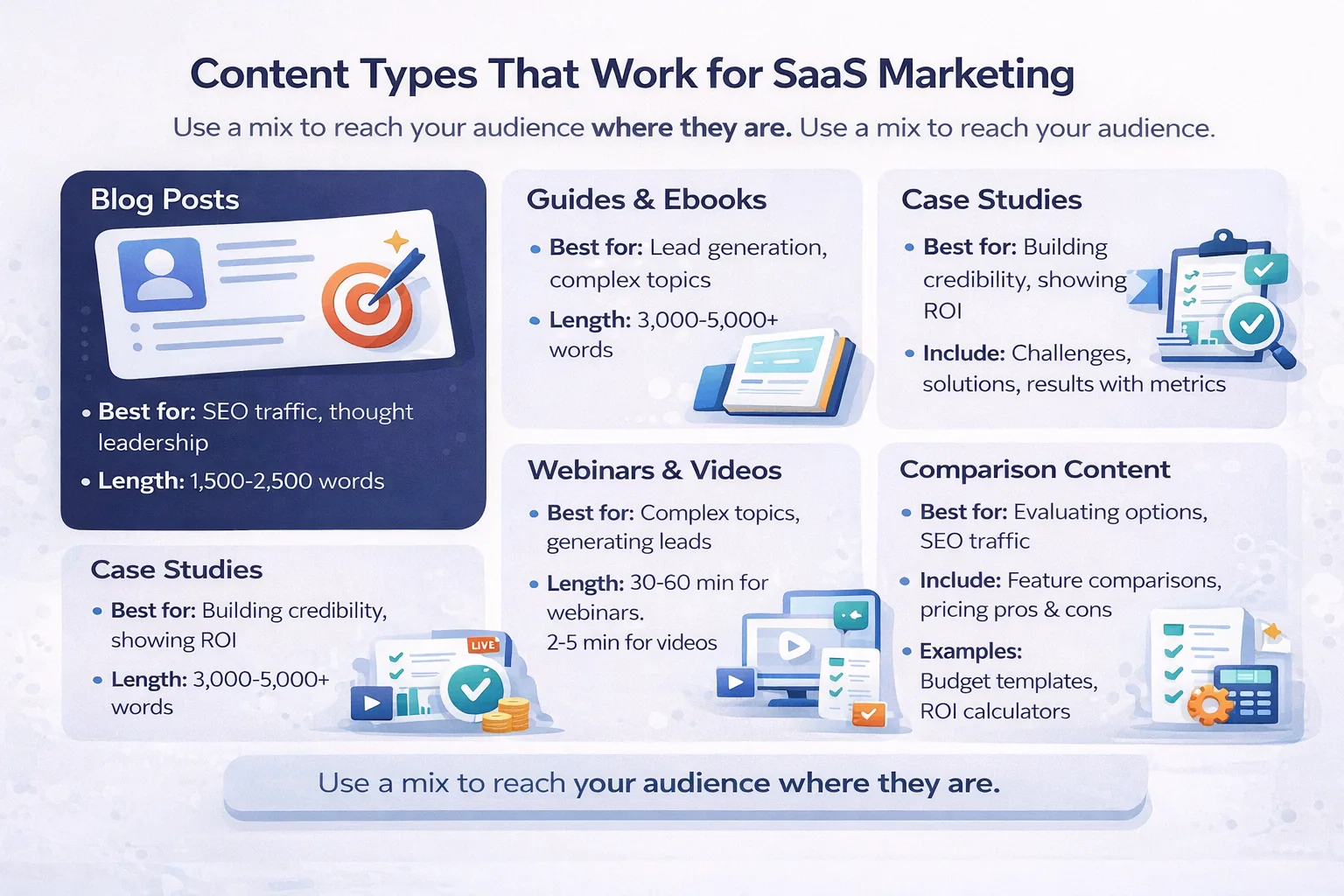
Different content types serve different purposes. Use a mix to reach your audience where they are.
Blog Posts
Blog posts are the foundation of SaaS content marketing. They're easy to create, rank in search, and attract traffic.
Best for: Educational content, SEO traffic, thought leadership.
Length: 1,500-2,500 words for informational posts.
Guides and Ebooks
Long-form guides go deeper than blog posts. They're often gated behind email signup forms.
Best for: Lead generation, demonstrating expertise, covering complex topics.
Length: 3,000-5,000+ words.
Case Studies
Case studies prove your software works. They're highly persuasive for decision-stage buyers.
Best for: Conversion, building credibility, showing ROI.
Include: Customer background, challenges, solution, results with metrics.
Webinars and Videos
Video content has higher engagement than text. Webinars let you interact with prospects in real-time.
Best for: Complex topics, building relationships, generating qualified leads.
Length: 30-60 minutes for webinars, 2-5 minutes for YouTube videos.
Comparison Content
Comparison articles and guides capture high-intent searchers. They work best when honest and data-driven.
Best for: Capturing consideration-stage prospects, SEO traffic.
Include: Feature comparisons, pricing comparisons, pros and cons for each option.
Templates and Tools
Free templates, calculators, and tools attract users and generate leads. They're also highly shareable.
Best for: Lead generation, brand awareness, demonstrating value.
Examples: Budget templates, ROI calculators, assessment tools.
SEO Best Practices for SaaS Content
Good SEO means your content reaches people searching for solutions. It's free traffic that compounds over time — though in the age of AI search, the rules are shifting fast, as our 2026 SaaS SEO survival guide explains.
Keyword Research
Find keywords your audience searches for. Focus on keywords with buying intent.
Target three types of keywords:
- Awareness keywords: "what is time tracking," "benefits of project management"
- Consideration keywords: "best project management tools," "Asana alternatives"
- Decision keywords: "Asana pricing," "how to implement Asana"
Use keyword research tools to find search volume and competition.
On-Page Optimization
Optimize each page for one primary keyword. Include that keyword in:
- Page title (H1)
- First paragraph
- Subheadings (H2, H3)
- Meta description
- URL slug
But never force keywords unnaturally. Write for humans first, search engines second.
Internal Linking
Link to related content within your site. This helps readers find more information and helps search engines understand your site structure.
Best practice: Link to content that helps the reader move forward in their journey. Link from awareness content to consideration content.
Backlinks
Backlinks from other websites signal authority to search engines. Earn them by creating content worth linking to.
Tactics that work:
- Publish original research
- Create comprehensive guides competitors link to
- Guest post on industry publications
- Get mentioned in industry reports
Measuring SaaS Content Marketing Success
You can't improve what you don't measure. Track these metrics to understand what's working.
Traffic Metrics
Track how many people visit your content. Increasing traffic means your content is discoverable.
- Total website traffic
- Traffic by source (organic search, direct, referral, etc.)
- Traffic by content piece
Engagement Metrics
Engagement shows if your content resonates with readers. High engagement means your content is valuable.
- Time on page (longer is better)
- Scroll depth (how far readers scroll)
- Pages per session (readers exploring more content)
- Bounce rate (lower is better)
Conversion Metrics
Conversions are the ultimate goal. Track how content moves people toward becoming customers.
- Email signups from content
- Demo requests from content
- Free trial signups from content
- Revenue attributed to content
Lead Quality Metrics
Not all leads are equal. Track which content produces the highest-quality leads.
Measure lead quality by:
- Sales team feedback on lead quality
- Conversion rate from lead to customer
- Customer lifetime value by source
Common SaaS Content Marketing Mistakes to Avoid
Learning from mistakes saves time and money. Avoid these common pitfalls.
Publishing Without a Strategy
Random content topics don't build momentum. You need a clear strategy connecting all pieces.
Fix: Create a content pillar strategy before publishing anything.
Ignoring Your Sales Team
Your sales team knows what questions prospects ask. They know what objections come up repeatedly.
Fix: Meet with sales monthly to align content with their needs.
Creating Content Only for Awareness Stage
Awareness content attracts traffic but doesn't convert. You need content for every stage of the buyer journey.
Fix: Create a balanced mix of awareness, consideration, and decision content.
Neglecting Distribution
Great content nobody sees won't generate results. Distribution is as important as creation.
Fix: Spend 50% of your time creating and 50% promoting content through email, social, and partnerships.
Not Updating Old Content
Content ages. Update your best-performing content regularly to maintain rankings.
Fix: Audit your top 20 content pieces quarterly and refresh them with new data and examples.
Building Your SaaS Content Team
You don't need a large team to start. But as you grow, you'll need specific roles.
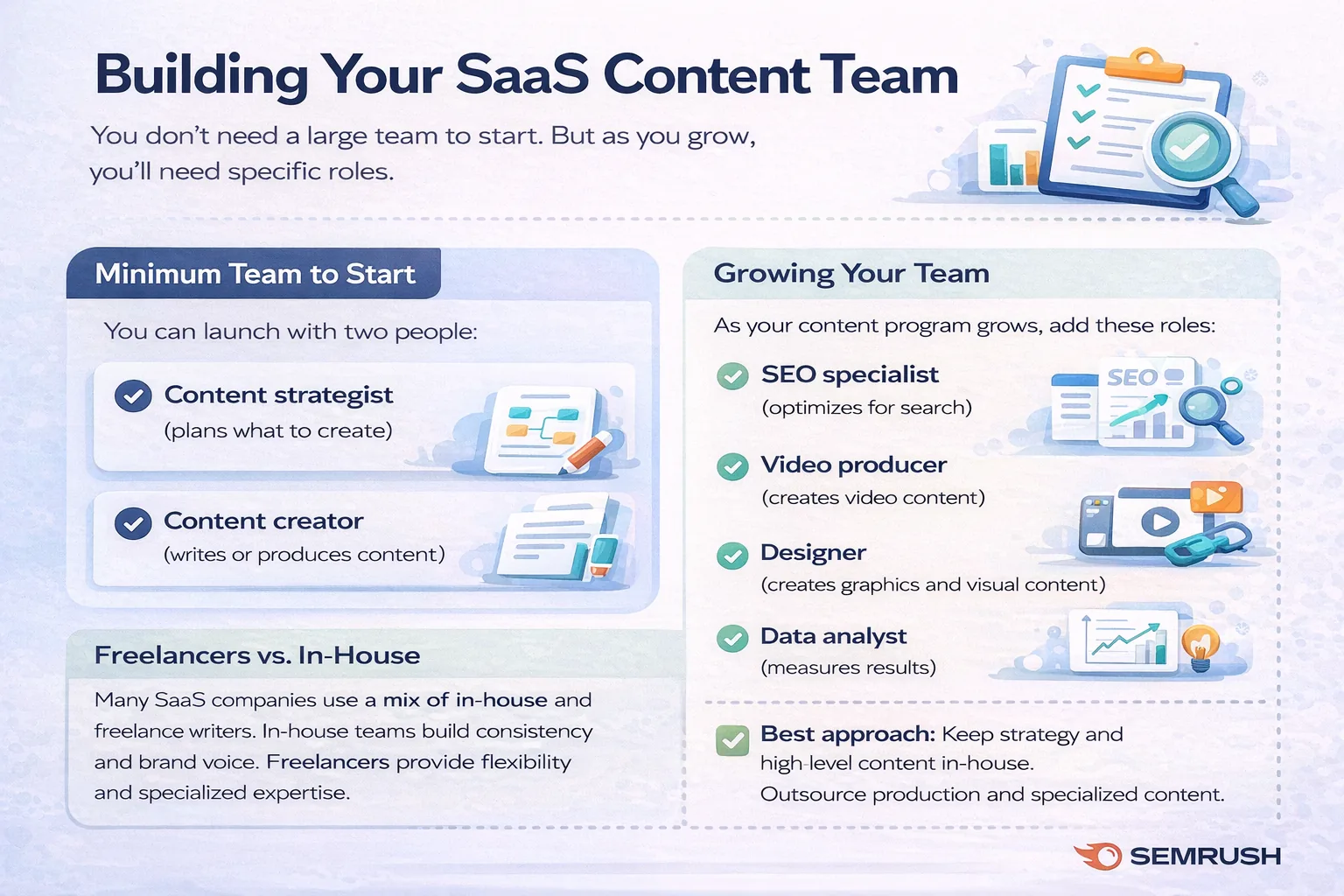
Minimum Team to Start
You can launch with two people:
- Content strategist (plans what to create)
- Content creator (writes or produces content)
Growing Your Team
As your content program grows, add these roles:
- SEO specialist (optimizes for search)
- Video producer (creates video content)
- Designer (creates graphics and visual content)
- Data analyst (measures results)
Freelancers vs. In-House
Many SaaS companies use a mix of in-house and freelance writers. In-house teams build consistency and brand voice. Freelancers provide flexibility and specialized expertise.
Best approach: Keep strategy and high-level content in-house. Outsource production and specialized content.
Getting Started with SaaS Content Marketing Today
You don't need everything perfect to start. You need one clear piece of content that helps your audience.
Here's your 30-day action plan:
- Define your ideal customer profile (1 day)
- Research 20 questions your customers ask (2 days)
- Create your first piece of content (10 days)
- Publish and promote it (2 days)
- Measure results and gather feedback (5 days)
- Plan your next 10 pieces (5 days)
Start with one piece. Learn what works. Then repeat and improve.
This table outlines the four core elements of SaaS content marketing and their primary functions in the buyer journey.
| Content Type | Primary Purpose | Best For | Key Benefit |
|---|---|---|---|
| Educational Content | Teach problem-solving techniques | Early research phase | Builds trust without selling |
| Comparison Content | Help evaluate competing options | Decision-making phase | Captures high-intent searchers |
| Case Studies & Social Proof | Demonstrate real customer results | Late-stage evaluation | Proves software delivers results |
| Thought Leadership Content | Position as industry expert | Brand building and authority | Establishes credibility and trust |
This comparison shows how SaaS content marketing differs from traditional marketing approaches in cost, timeline, and effectiveness.
| Factor | SaaS Content Marketing | Traditional Paid Ads |
|---|---|---|
| Cost Over Time | Decreases as content compounds | Constant or increases |
| Content Lifespan | Months or years of value | Stops when spending stops |
| Buyer Readiness | Meets during research phase | Interrupts with messaging |
| Trust Building | Educational and credibility-focused | Promotional and sales-focused |
| ROI Timeline | Slower initial, long-term gains | Immediate but temporary results |
Frequently Asked Questions
What is the difference between SaaS content marketing and regular content marketing?
SaaS content marketing is tailored to software buyers who research extensively before purchasing. It focuses on education and demonstrating ROI. Regular content marketing can be broader and isn't always tied to a specific buying journey.
How long does it take to see results from SaaS content marketing?
Most SaaS companies see initial traffic within 3-6 months. Meaningful leads and conversions typically take 6-12 months. SEO is a long-term strategy that compounds over time.
How much should a SaaS company spend on content marketing?
Successful SaaS companies typically allocate 20-40% of their marketing budget to content. This includes salaries, freelancers, tools, and distribution. The exact amount depends on your growth stage and goals.
What content type generates the most leads for SaaS?
Case studies and comparison guides generate the most qualified leads. They capture people in the decision stage who are ready to buy. Educational blog posts generate the most overall traffic and build brand awareness.
How often should a SaaS company publish content?
Most successful SaaS companies publish 2-4 pieces weekly. This includes blog posts, videos, guides, and other formats. Consistency matters more than frequency. Publishing one great piece weekly beats four mediocre pieces daily.
Do I need to hire a content agency or can I do this in-house?
Both approaches work. In-house teams build deeper brand knowledge and consistency. Agencies bring expertise and handle volume. Many successful SaaS companies use a hybrid approach with in-house strategy and outsourced production.
Conclusion
SaaS content marketing is creating valuable content that educates your audience and builds trust. It's how modern software companies attract customers without relying solely on paid ads.
Start with a clear strategy focused on your customer's questions. Create content that genuinely helps them solve problems. Measure what works and do more of it.
Ready to launch your SaaS content marketing strategy? Start by identifying your target customer's biggest challenges and creating one piece of content that solves them. One piece leads to two, which leads to a sustainable content engine that attracts customers for years to come.